
A good production day does not begin when someone presses REC. In fact, by that point a large part of a successful production should already be figured out.
When a company gets in touch about photography or video production, the conversation understandably tends to start with the shoot itself: how many hours are needed, where are we shooting, what equipment will be used and, of course, how much is it going to cost?
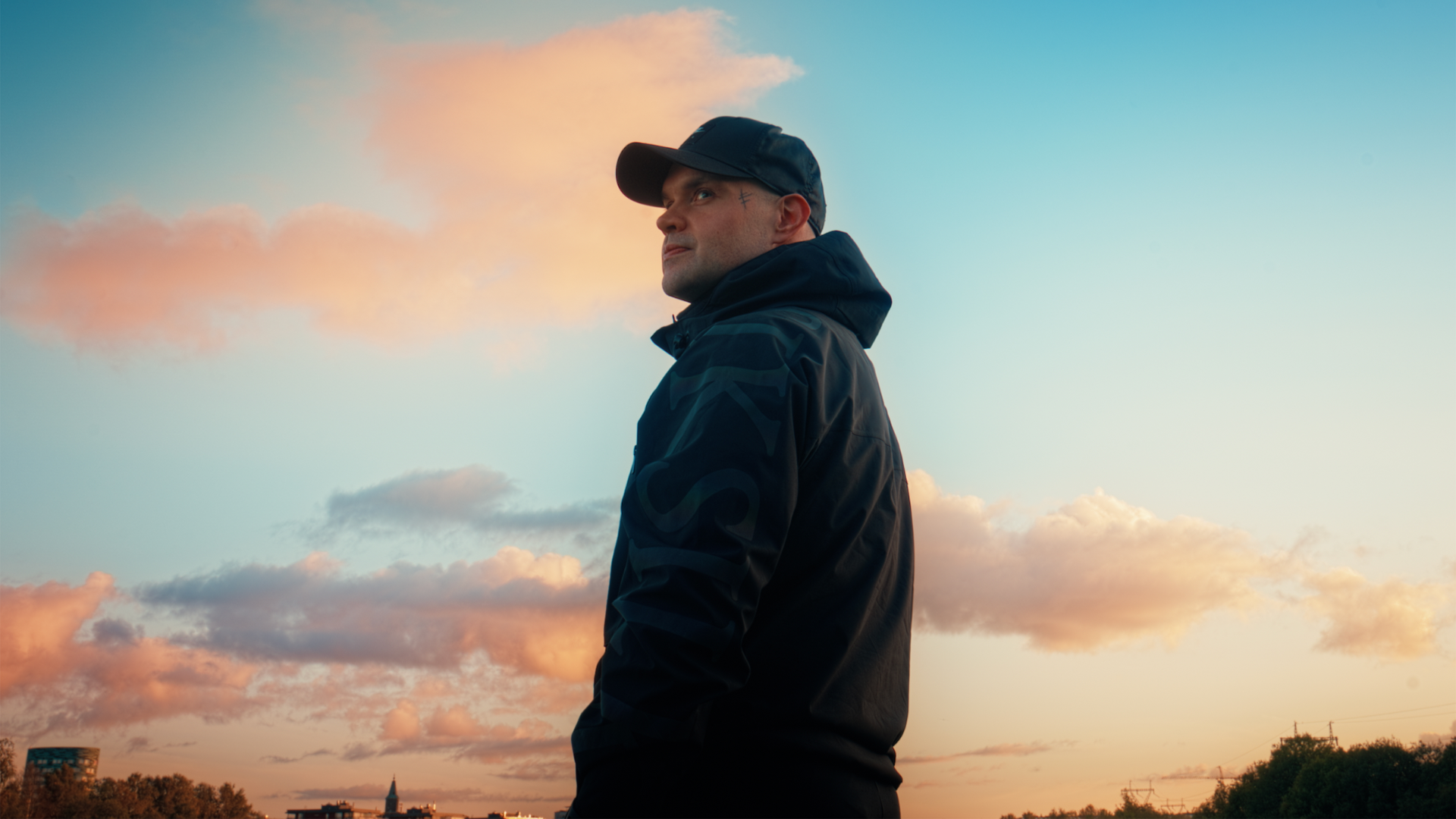
But if I had to name one thing that affects the end result more than any individual camera, lens or location, it would be this:
What are we actually trying to achieve with the content?
I have worked on productions where the entire purpose of the day was to create one carefully crafted main video. On another project, the same amount of shooting time might be designed to produce photography, short-form videos, vertical versions, horizontal versions and enough material to keep several channels supplied for weeks. Both are video productions, but if you plan them in exactly the same way, you are already heading in the wrong direction before the camera even comes out of the bag.
The camera is not the first decision
I am massively interested in equipment. I have spent a frankly unreasonable amount of time thinking about cameras, lenses, lighting, audio and post-production. Still, when I am working on a commercial project, equipment is rarely the first thing I decide.
First, we need to know what we are making. A company might contact me with a simple thought: “We need a video.” That is a perfectly good starting point, but the word video does not really tell us much yet.
Is it a product launch? A brand film for the website? Recruitment content? An event film? An advertisement? An interview? Or does the company simply need a steady stream of high-quality content for social media?
If the goal is to create a brand film that will live on a company's website for years, I would rather spend more time developing the concept, visual language, sound, locations and the overall feeling the film should leave behind. If the actual problem is that Instagram, LinkedIn and other channels constantly need new material, I would not necessarily build one huge production around a single film. A well-planned content day might make much more sense.
The same applies to photography. Team portraits, product photography, commercial campaigns, event coverage and a company's own image library are all photography, but they exist for completely different reasons.
That is why I would rather start with a different question: where does this content actually need to work? Then we can start deciding what it should look like.
Get everything sensible out of the production day
This is where I see quite a lot of wasted potential. If the people are already there, the location has been prepared, the equipment is built and everyone has set aside time for the shoot, it often makes very little sense to think about the production as one single final file.
A properly planned day can potentially produce:
- a main film for a website or campaign
- several short-form videos for Instagram, TikTok or YouTube Shorts
- vertical and horizontal versions for different platforms
- team portraits and brand photography
- product and detail shots
- behind-the-scenes material
- images for LinkedIn, websites and newsletters
- content for future campaigns
That does not mean every possible piece of content should be forced into every production day. Quite the opposite. If we try to squeeze three days of work into one day, the result is usually a lot of average material instead of a few genuinely strong pieces.
But when the content needs are known beforehand, the schedule can be designed around them intelligently. The same lighting setup or location, for example, might first be used for a scene in the main film, followed by a few short-form versions and then still photography. This is where good pre-production starts paying for itself very quickly.
A good production does not always mean a big production
A cinematic or highly polished result does not automatically require a ten-person crew, a huge lighting package and a truck full of equipment. Sometimes it does. Sometimes it absolutely does not.
I have worked on plenty of fast-moving productions where a lightweight setup and a small footprint were specifically an advantage. When situations are changing quickly, a large production machine can sometimes start getting in the way of the work itself.
On a controlled advertising production, the situation can be completely different. If every light, movement and detail needs to be built precisely, the production also needs enough resources to do that properly.
For me, the important thing is that the scale of the production matches the actual goal. The technology should serve the idea. The idea should not be built around whatever happens to be in the camera bag.
Planning solves more than you notice on the day
A successful shoot often looks surprisingly simple from the outside. People arrive, the camera comes out and everything starts moving. In reality, that smoothness usually exists because many of the potential problems were already solved before anyone arrived on location.
Before a production, it is worth thinking about at least:
- the main goal of the content
- who the audience is
- where the material will be published
- who needs to appear on camera
- where the production will take place
- what needs to be prepared at the location
- whether we need dialogue, interviews or a script
- which formats the content needs to work in
- what can realistically be achieved within the available time
But a good plan does not mean every second needs to be locked down in advance. In fact, an overly rigid plan can kill exactly the kind of moments that make the final material feel real.
When the important things are under control, there is much more room during the shoot to react to what is actually happening around you. And quite often that is where the best shot of the day comes from.
What should a client know before contacting me?
You do not need a perfect brief. This is probably one of the most important things I would like clients to understand. You do not need to wait until the entire production has already been planned before getting in touch.
A lot of good projects begin with a few lines: “We have this idea. We are not entirely sure yet what the best way to execute it would be.” That is more than enough to start.
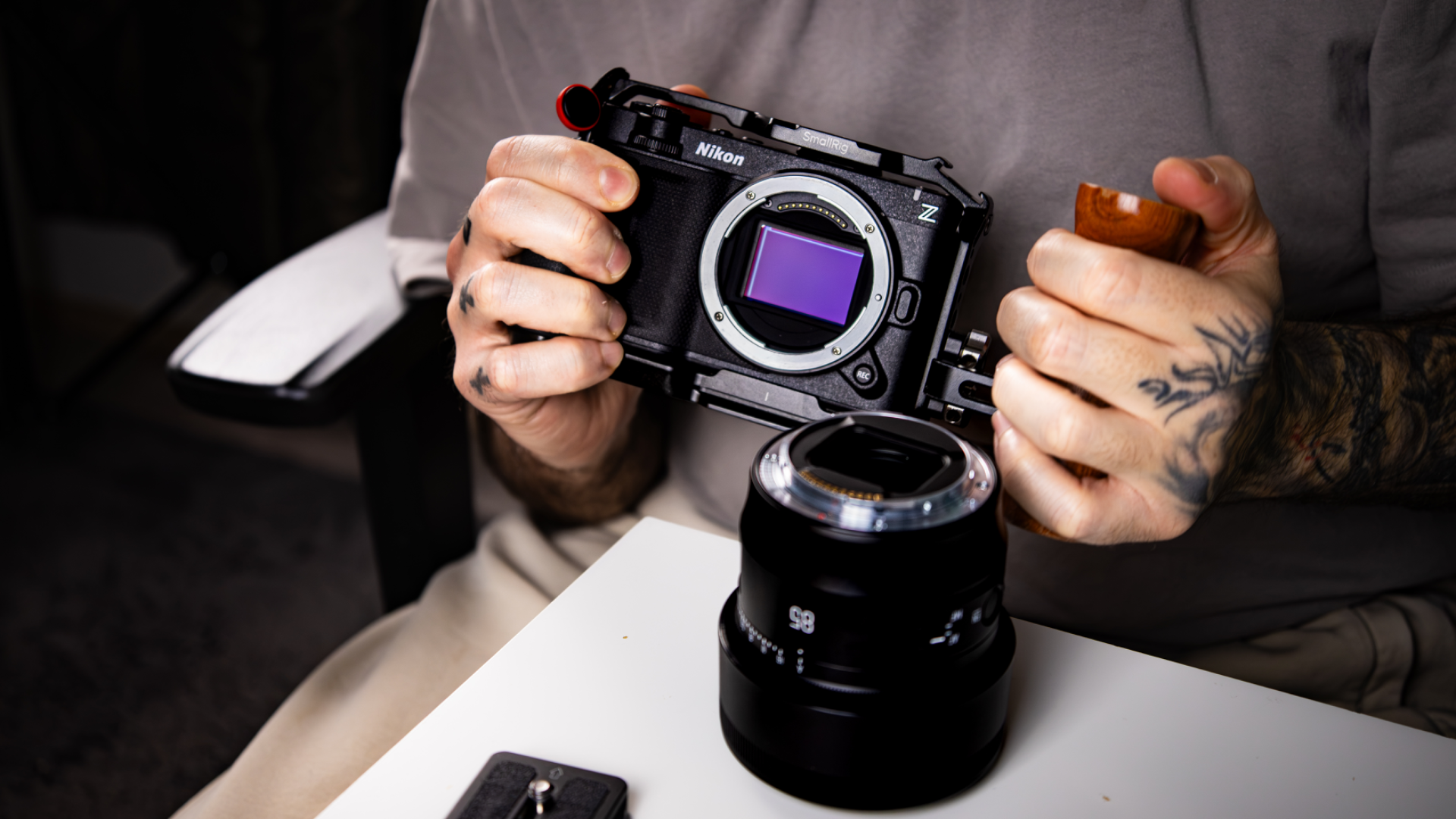
If you already know the following things, then naturally the planning can move forward even faster:
- What are you trying to achieve? A product launch, stronger brand image, advertising campaign or ongoing content, for example.
- Where will the material be used? A website, social media, advertising, events or several different channels.
- When does it need to be ready?
- Does the company already have a visual direction?
- Is there a rough budget range?
You do not need to know every answer. Part of my job is helping figure out what actually makes sense for the project.
So, what does photography or video production actually cost?
This is obviously one of the first questions people ask, and there is absolutely nothing wrong with that. The problem is that it is extremely difficult to give one meaningful price for something like video production before we know what we are making.
A two-minute film might be created in half a day by one person. Another two-minute film might require several shoot days, multiple locations, a crew, talent, lighting, sound, graphics and weeks of post-production. To the viewer, both are eventually “one video”, but from the production side they are two completely different worlds.
The budget is usually affected by things such as:
- the amount of pre-production
- the number of shooting days
- locations and travel
- the required crew
- equipment and lighting
- the amount of editing
- audio, music and graphics
- the number of final versions
It also makes a significant difference whether the goal is to create one finished video or an entire content library during the same production. That is why I generally prefer to build a production around the actual project rather than forcing every client into the same predefined package.
If you want to see more of the different ways I work, you can explore my video production, photography and content production services.
Turku is the base, not the limit
I work from Turku, Finland, so naturally a lot of my work happens in Turku and the surrounding area. But in practice, the camera goes where the project goes. I work on photography, video and content productions around Finland and, depending on the project, internationally as well.
I do not really think about a production primarily through the city it happens in. If the right location, person or event happens to be in Helsinki, Tampere, Oulu or somewhere on the other side of Europe, then that is where the production needs to be built. What matters much more is that the environment supports the story and the purpose of the content.
In the end, the most important question is surprisingly simple
What are we trying to achieve? That is where I would start.
Sometimes the right answer is a carefully crafted brand film. Sometimes it is a handful of really strong photographs. Sometimes one efficient content day gives the company more value than a much larger standalone production.
And sometimes the original idea changes completely during the planning process. That is not a problem. Often it is actually a good sign.
There will be plenty of time to choose the camera, lens and the rest of the technical details later. First, it is worth understanding what we are actually making and why.
If you have an upcoming project, a finished brief or only half an idea of what your company might need, that is already enough to get started.
About the author
Jeyshoots (Jere Alanen) is a Turku-based photographer, filmmaker and content creator working with companies, brands and other creative projects across Finland and internationally depending on the production. His work combines a strong visual style, storytelling and practical production from the first idea through to the finished material.